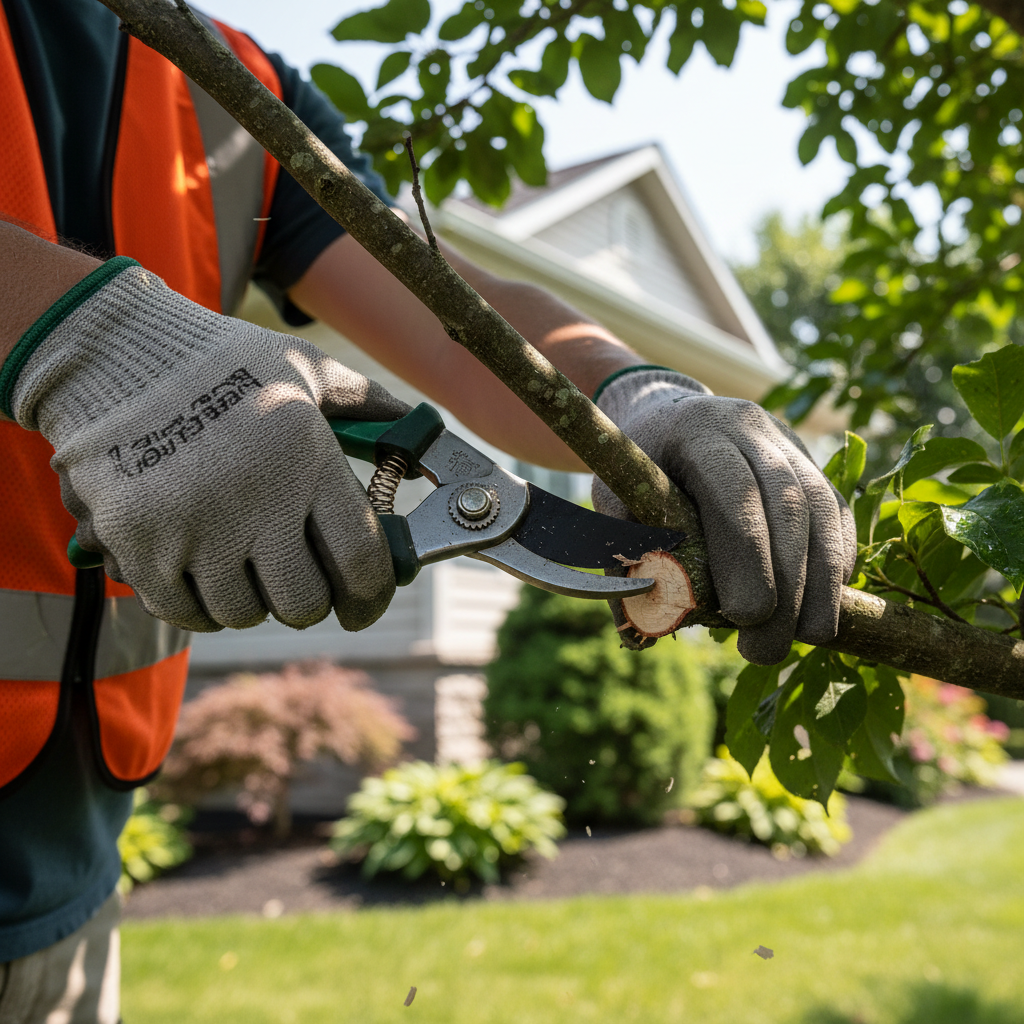
Applying for a tree felling licence from the Forestry Commission is generally free of charge; however, professional agents may charge between £150 and £500 to manage the application process for you. While there is no direct government cost of tree felling licence, felling trees without one can lead to unlimited fines or criminal prosecution.
Many landowners and commercial site managers approach tree removal with a focus on labor costs, yet they often overlook the significant regulatory hurdles that dictate the project's legality. Navigating the Forestry Commission’s requirements can be a daunting task; particularly when a single oversight leads to unlimited fines or a criminal record. While the application for a felling licence itself may not carry a direct government fee, the true cost lies in professional surveying, technical compliance, and the strict adherence to conservation area restrictions. In this guide, Purecut Tree Co Ltd provides an expert breakdown of the UK legal framework. We will examine the five cubic metre allowance, the financial implications of Tree Preservation Orders, and why outsourcing these complex applications is the most cost effective strategy for maintaining site safety and legal standing.
Understanding the UK Tree Felling Licence Framework
In the United Kingdom, the management of woodland and individual trees is strictly governed to protect the country’s green infrastructure. A tree felling licence is the primary legal mechanism used by the Forestry Commission in England to control the removal of growing trees. Established under the Forestry Act 1967, this framework ensures that felling activities do not lead to permanent woodland loss or unauthorized land use changes. While many homeowners assume that removing a tree is a simple private matter, the rules shift significantly when moving from domestic gardens to the commercial landscapes Purecut Tree Co Ltd operates within.
For private residential gardens, felling is often exempt from these specific requirements. However, for our clients managing golf courses, highways, parks, or telecommunications sites, a licence is almost always a mandatory prerequisite for commercial tree felling and pruning. The Forestry Commission views these larger land holdings as vital components of the UK’s canopy cover. Consequently, any significant removal of timber must be documented, approved, and, in most cases, mitigated through restocking conditions.
Understanding the potential cost of tree felling licence non-compliance begins with recognizing that this is not just a guideline; it is a statutory obligation. By providing specialized tree surgery services tailored to infrastructure and landscape requirements, we help managers navigate these regulations. The aim is to balance operational needs, such as clearing lines of sight for highways or maintaining fairways for golf courses, with the overarching national goal of environmental preservation. Without this permit, felling is considered a criminal offence, exposing landowners to significant legal repercussions which we will detail later in this guide.
How Much Does a Felling Licence Cost to Apply For?

The direct cost of tree felling licence applications is technically zero. The Forestry Commission does not currently charge a fee to process the application form itself. For managers of highways, parks, or golf courses, however, the financial investment is found in the preparation of the necessary technical data. The Commission requires precise information, including exact species identification and volume calculations measured in cubic metres. Accuracy at this stage is critical; providing incorrect estimates or vague descriptions can lead to significant delays or the immediate rejection of the permit.
Most commercial operations require a professional arboricultural survey to generate this data. This survey represents the primary upfront cost for a project. An expert assessment ensures that the proposed felling aligns with the Forestry Act and that any necessary restocking conditions are realistic for the specific landscape. Once granted, a standard licence remains valid for five years. If the work is integrated into a wider, long term managed woodland plan, this validity can extend to ten years. To ensure your application meets these rigorous technical standards, you can contact our Ashford team to discuss a professional site assessment and volume calculation.
The 5 Cubic Metre Rule: When Can You Fell Without a Licence?
While the application process for a permit is free, determining if one is required involves navigating the specific volume exemptions set by the Forestry Commission. In the UK, you are permitted to fell up to 5 cubic metres of timber per calendar quarter without a licence. A calendar quarter refers to the three-month periods beginning in January, April, July, and October. However, a strict condition applies to the disposal of the wood; no more than 2 cubic metres of that total volume can be sold.
Landowners often ask exactly how many trees can you fell under this rule. There is no fixed number of stems, as the exemption is based purely on volume. For a large, mature oak or beech, a single tree might exceed the 5 cubic metre limit. Conversely, several dozen small, spindly trees might fall well within it. This ambiguity makes accurate volume calculation a prerequisite for any site clearance, as guesswork is not a valid legal defence.
For managers of highways, parks, or golf courses, relying on this exemption is exceptionally risky. If felling occurs across different sections of a large estate or infrastructure network, the Forestry Commission scrutinizes the cumulative volume across the entire site. Exceeding the threshold leads to prosecution and potential criminal records for the responsible parties. Crucially, exemptions cannot be applied retrospectively. If a tree is removed without a prior volume assessment and it is later found to have exceeded the limit, the felling is automatically illegal. Engaging specialized tree surgery services ensures that these thresholds are professionally calculated before the first cut is made, protecting your organization from the legal fallout of an accidental breach.
The Real Cost of Illegal Felling: Fines and Penalties
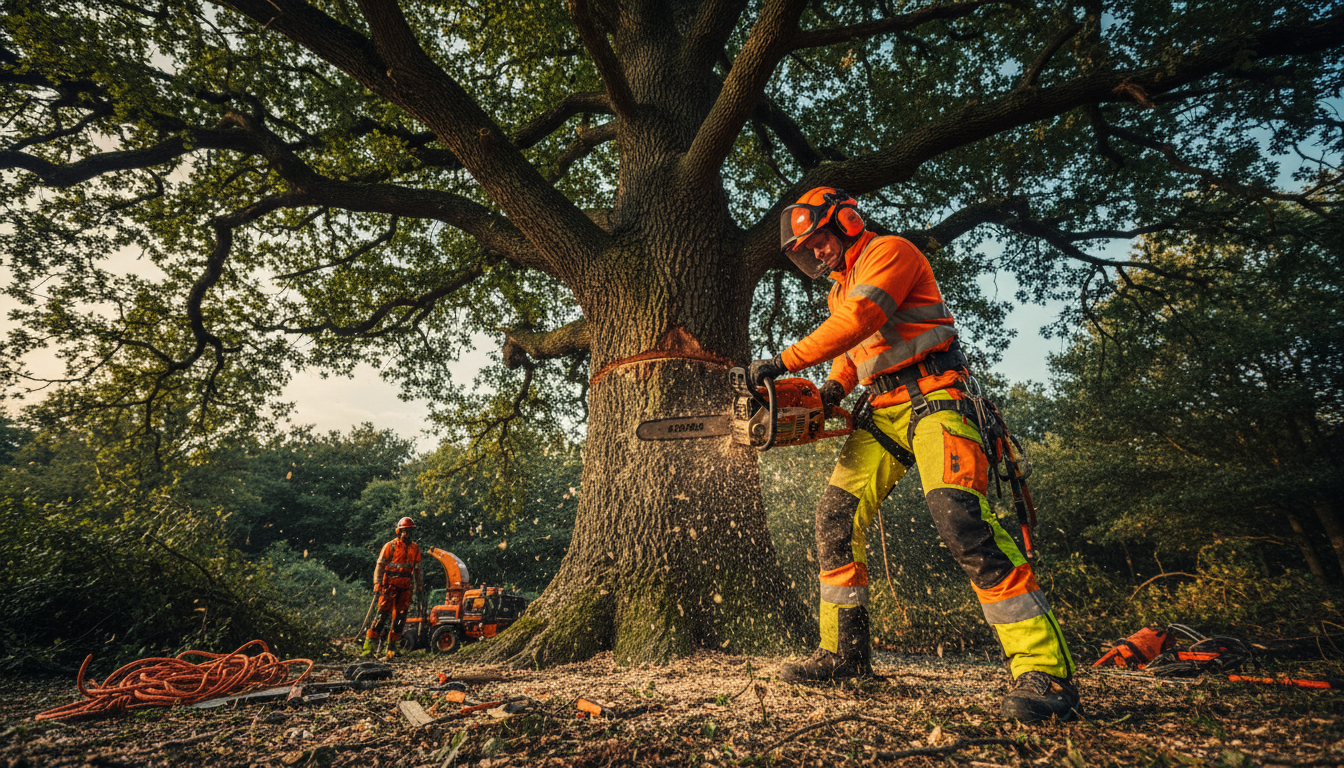
While the application for a permit carries no fee, the financial risk of proceeding without one is now immense. Recent legislative changes have significantly increased the penalties for unauthorized tree removal. Previously, fines for felling without a licence were capped at £2,500 or twice the value of the timber. However, the legal landscape has shifted; courts now have the authority to impose unlimited fines. For large scale commercial sites where significant volumes of timber are removed, these costs can easily escalate into the tens of thousands of pounds, far outweighing the price of professional consultancy.
The financial penalty is often only the beginning of the legal fallout. The Forestry Commission has the power to issue Restocking Notices. These legally binding orders require the landowner to replant the area and, crucially, maintain those trees for a period of ten years. If the trees fail to thrive due to neglect, the landowner remains liable. A notable example occurred in Warwickshire, where a farm owner was fined over £16,000 for illegal felling. This case underscores that the Forestry Commission actively pursues and prosecutes breaches, even on private commercial land.
For managers of infrastructure, highways, and golf courses, the long term implications are particularly damaging. An enforcement notice for illegal felling is registered as a local land charge. This remains on the property title, which can severely complicate future land sales, refinancing, or development projects. In extreme cases of non-compliance or repeated offences, the courts even have the authority to impose prison sentences. Given these stakes, ensuring commercial tree felling and pruning is carried out within the legal framework is a business necessity. Avoiding the potential cost of tree felling licence non-compliance requires a proactive approach to site management. If you are unsure of your site's status, contact our Ashford team for a compliance review before any work begins.
Hidden Regulatory Costs: TPOs and Conservation Areas

Securing a Forestry Commission permit does not grant a universal right to fell. One of the most significant hidden expenses in site clearance arises from overlooking local planning protections. Tree Preservation Orders (TPOs) and Conservation Area designations function independently of the Forestry Act 1967. In Ashford and the wider Kent area, many mature trees on golf courses, highways, and industrial estates are specifically protected for their historical or amenity value.
Felling a tree subject to a TPO without express permission from Ashford Borough Council carries separate, severe financial penalties that can match or exceed Forestry Commission fines. Similarly, working within a Conservation Area requires a Section 211 notice, giving the council six weeks to object. Even if the volume of timber is low enough to satisfy the 5 cubic metre rule, these local protections still apply. The true cost of tree felling licence non-compliance often includes these secondary legal battles. Before scheduling specialized tree surgery services, it is essential to conduct a constraints check. We recommend that commercial managers contact our Ashford team to verify the status of their stock, ensuring all local and national regulatory layers are fully satisfied before work begins.
Professional Compliance: Why Commercial Clients Outsource the Process
Navigating the administrative burden of felling applications requires a level of technical precision that goes beyond basic maintenance. For managers of highways or telecommunications infrastructure, the primary value of outsourcing to a firm like Purecut Tree Co Ltd lies in the accuracy of the initial site survey. We provide definitive volume calculations, ensuring that your project stays on the right side of the Forestry Act 1967. This precision is vital because the indirect cost of tree felling licence delays can stall major infrastructure upgrades, costing thousands in idling plant and labour.
Furthermore, the restocking conditions attached to a licence are rarely straightforward. These conditions often dictate specific species density, spacing, and maintenance regimes for up to a decade. We assist commercial clients by drafting realistic restocking plans that align with both environmental requirements and the functional use of the land, such as keeping highway verges clear or golf course fairways unobstructed. By integrating specialized tree surgery services into the early stages of project planning, you prevent the legal battles and enforcement notices that derail commercial growth. Our role is to provide the arboricultural expertise that allows you to focus on operations. To discuss a survey for your site, you can contact our Ashford team to ensure full regulatory compliance and seamless commercial tree felling and pruning.
Summary of Costs and Requirements
The Forestry Commission does not charge for the application itself, but the true cost of tree felling licence compliance is rooted in technical accuracy. While the online form is accessible, the difficulty lies in providing the precise arboricultural data required to avoid immediate rejection. Inaccurate submissions lead to project delays, while starting work without a valid permit now invites unlimited fines.
Requirement | Detail |
|---|---|
Application Fee | £0 (Forestry Commission) |
Professional Survey Fee | Variable (Based on site complexity) |
Fine for Non-Compliance | Unlimited (Criminal offence) |
Standard Validity | 5 Years |
Long-term Validity | 10 Years (Requires Management Plan) |
Professional surveys ensure that restocking conditions are achievable and that timber volumes are measured correctly. To secure your legal standing and prevent local land charges, contact our Ashford team. Our specialized tree surgery services streamline this administrative process, ensuring your project meets infrastructure goals without the threat of legal action.