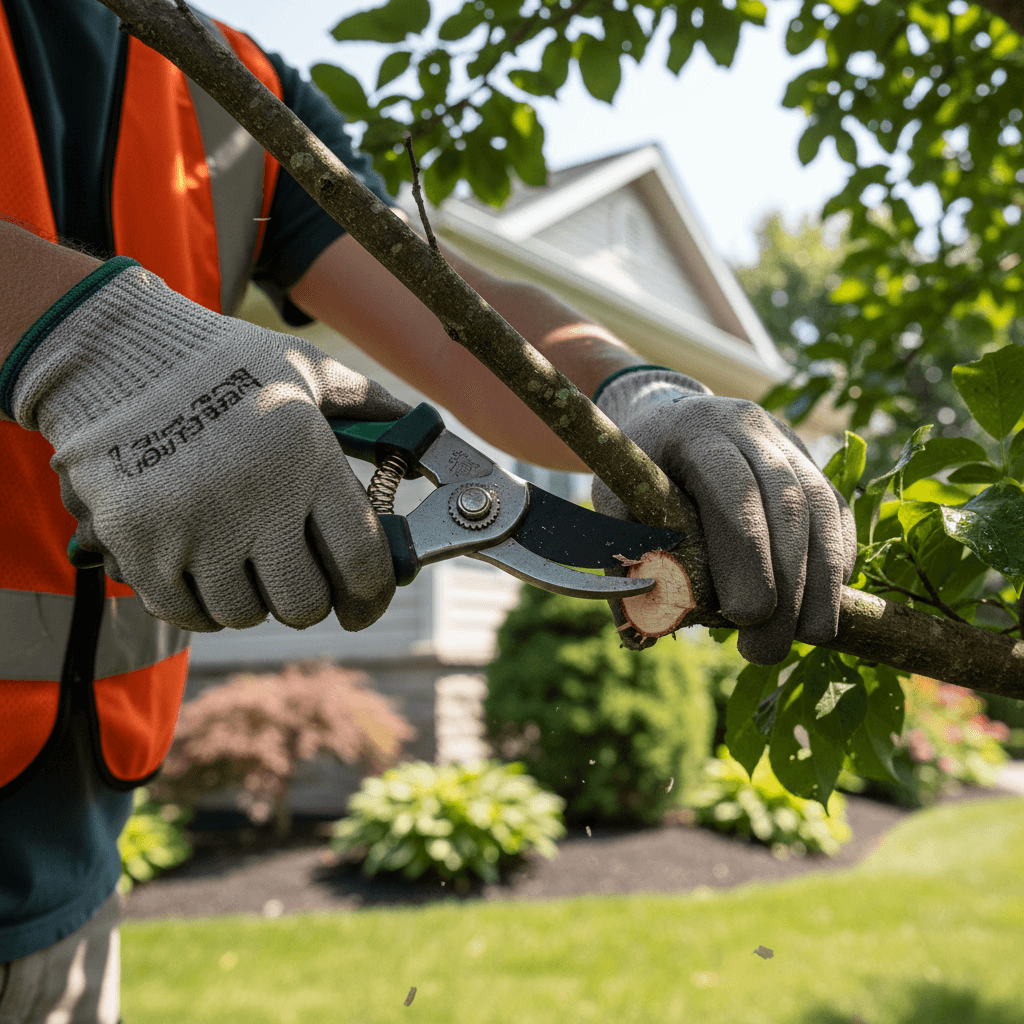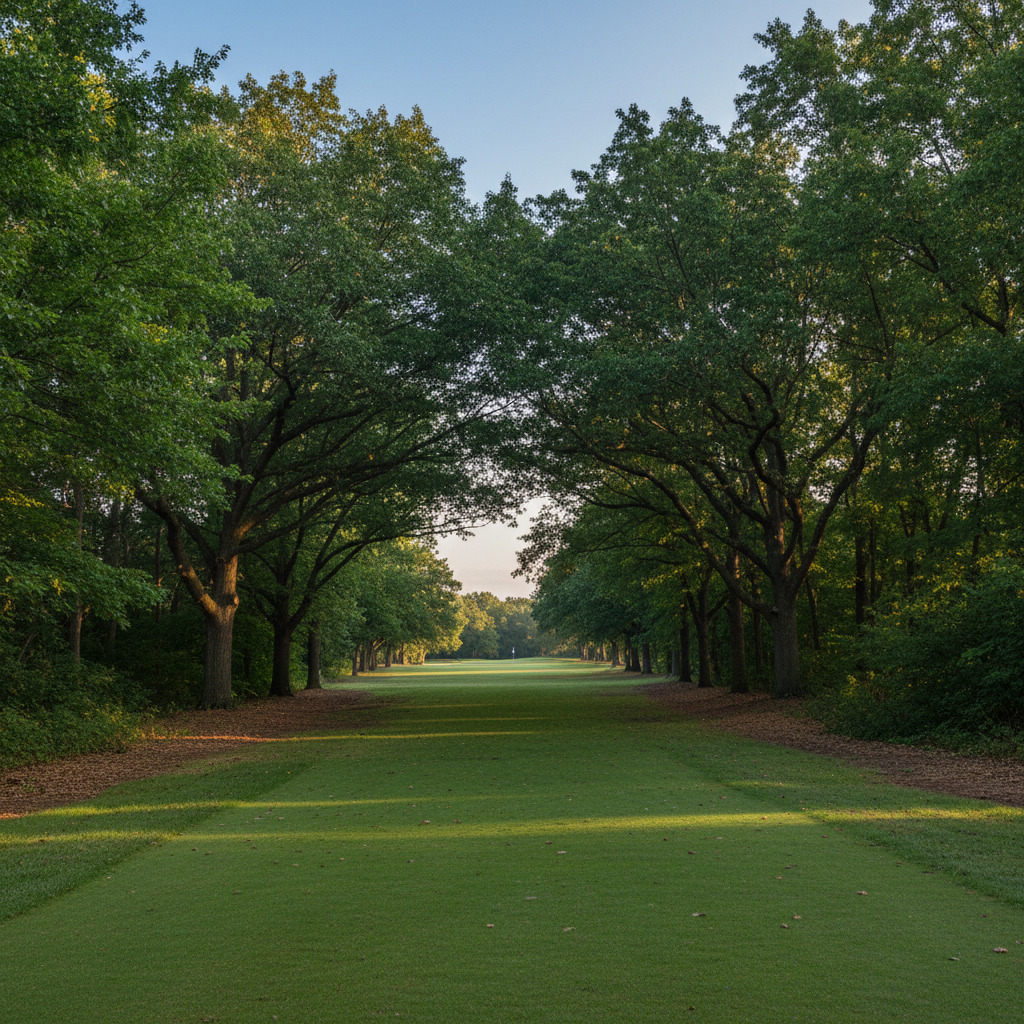
A seasonal tree pruning checklist provides a structured timeline for golf courses and public parks to maintain safety and tree health throughout the year. Facility managers should prioritize structural pruning during winter dormancy and focus on safety clearances in the warmer months; this approach ensures a manicured appearance while preventing property damage.
Managing high-traffic landscapes like golf courses and public parks requires a delicate balance between aesthetic perfection and unwavering safety. When pruning is treated as a reactive task rather than a strategic investment, the risks to infrastructure and public security increase significantly. A proactive, science-based approach to arboriculture is essential for maintaining the health of your canopy while preventing costly emergency removals. This guide provides a definitive seasonal checklist designed specifically for large scale property managers. We will explore the technical benefits of winter structural audits, the necessity of spring safety clearances, and the critical role of summer hazard reduction. By aligning your maintenance schedule with the natural growth cycles of your trees, you can ensure that your landscape remains a safe, resilient, and prestigious asset throughout every month of the year.
Why Commercial Landscapes Require a Seasonal Pruning Strategy
Managing high use landscapes like golf courses and public parks in Ashford involves balancing ecological health with rigorous safety standards. For these commercial entities, tree maintenance represents a critical pillar of risk management rather than a simple aesthetic choice. The scale of these sites, combined with a legal duty of care toward the public and staff, necessitates a move away from reactive fixes toward a structured seasonal tree pruning checklist.
A proactive strategy focuses on three core areas: liability, player experience, and infrastructure integrity. On a golf course, unmanaged canopy growth can obscure lines of sight or drop debris that affects green quality. In public parks, the priority shifts to preventing limb failure over footpaths or playground equipment. Furthermore, commercial landscapes often intersect with vital infrastructure, such as telecommunications masts or highway signage, where overhanging branches pose a direct threat to service continuity.
By adhering to a seasonal schedule, managers can mitigate the risk of storm damage during Ashford’s unpredictable weather cycles and address structural weaknesses before they become hazardous. Unlike residential gardens, these environments require specialized tree pruning and professional tree felling techniques that account for heavy machinery access, statutory safety requirements, and high-volume foot traffic.
Winter: Structural Audits and Dormant Pruning
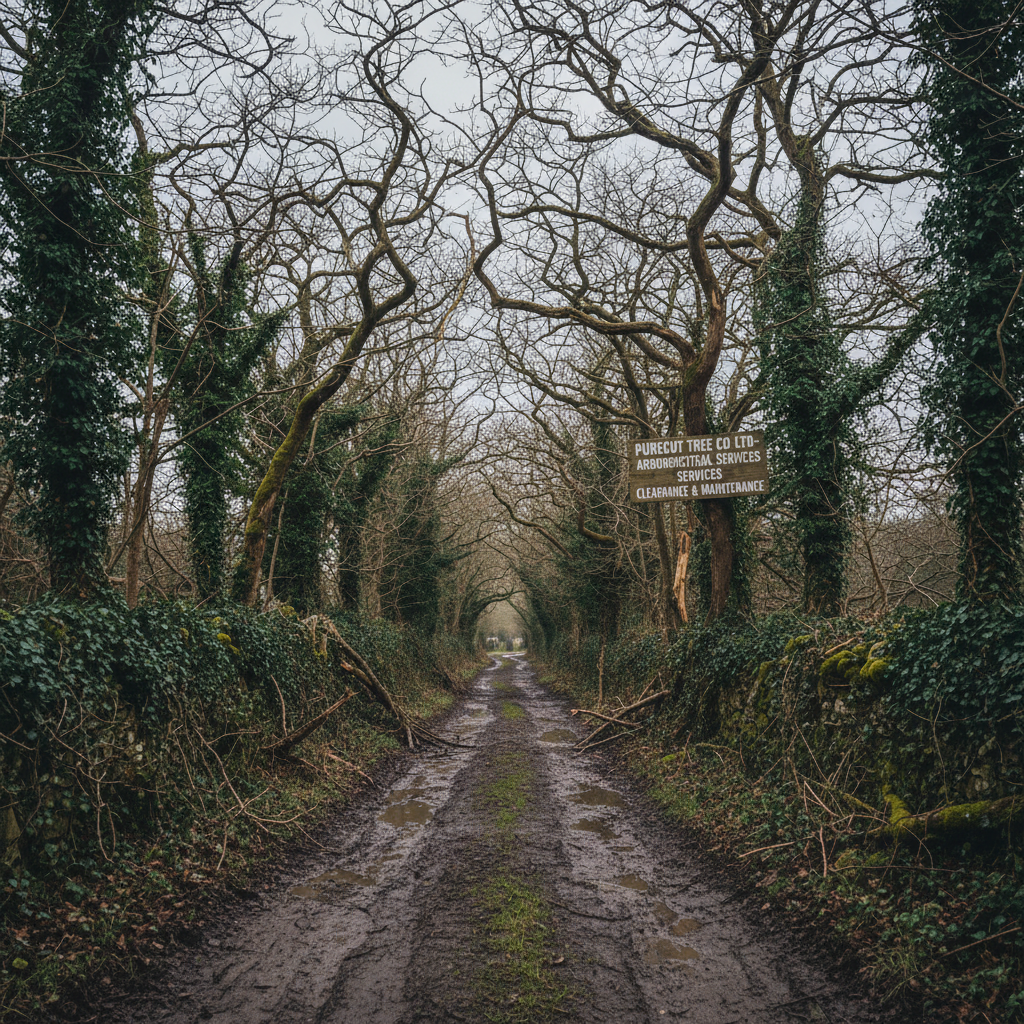
The months between November and February represent the most critical window for major structural arboriculture. During this dormant phase, the absence of foliage provides a clear view of the tree’s architecture, or bones, allowing for a precise assessment of crossing branches, weak unions, and structural imbalances that remain hidden during the summer months. From a physiological standpoint, pruning while the tree is dormant minimizes stress and reduces the risk of disease transmission, as many pathogens are inactive in the colder temperatures.
For managers of large estates and recreational facilities, the winter seasonal tree pruning checklist should prioritize the following technical tasks:
Crown Thinning for Wind Resistance: Ashford often experiences severe winter gales. Reducing the density of the canopy allows wind to pass through the structure more easily, significantly lowering the risk of limb failure or the sail effect that can lead to uprooting.
Systematic Deadwood Removal: Identifying and removing dead, dying, or diseased wood is essential for public safety in parks. These limbs are particularly prone to snapping under the weight of frost or during high winds.
Invasive Ivy Management: The damp winters in Kent encourage the rapid growth of ivy. While ecologically beneficial in moderation, excessive ivy adds significant weight to the crown and can mask underlying decay or structural cracks during inspections.
Light Penetration for Turf: For golf course managers, this is the optimal time for specialized tree pruning to improve sunlight reach. Thinning the upper canopy ensures that tees and greens receive maximum UV exposure, which is vital for maintaining grass health during the low light months of early spring.
If a tree is identified as structurally unsound beyond repair during these audits, the winter period provides a clear staging area for professional tree felling before the bird nesting season begins in March. This proactive approach ensures that the landscape is stabilized and safe before the high intensity growth of spring arrives.
Spring: Monitoring Growth and Public Safety Clearances
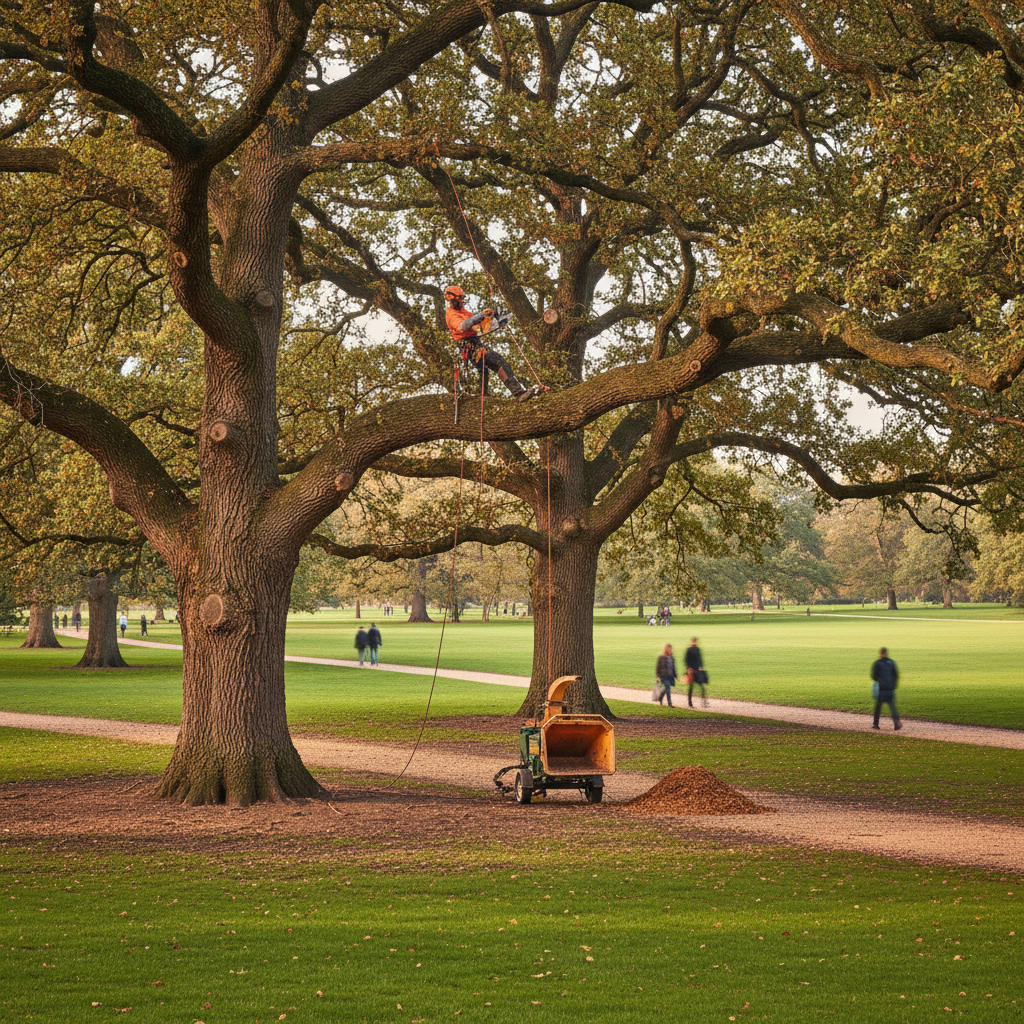
As the dormancy of winter breaks, the arboricultural focus shifts from foundational restructuring to active growth management and safety inspections. Between March and May, the primary objective is to ensure that rapid spring growth does not impede site operations or compromise public safety. The warming soil triggers a surge in sap, making this an essential window for assessing how trees have fared through the colder months.
A critical first step in the spring seasonal tree pruning checklist involves a comprehensive audit to identify latent winter storm damage. Heavy winds often cause hairline fractures in limbs that only become evident once the weight of new foliage adds mechanical stress to the branch unions. High traffic areas, including golf cart tracks and park footpaths, require immediate clearance of low hanging branches. Maintaining a clear vertical headspace is essential for both player safety and the unhindered movement of maintenance vehicles.
This period is also the prime window for identifying early physiological stress. In Kent, monitoring for Ash Dieback is a priority; managers should look for wilting foliage or necrotic lesions on the bark. Early detection allows for informed decisions regarding specialized tree pruning to manage the spread or, if the decay is advanced, professional tree felling to mitigate the risk of sudden limb failure.
For newer park developments, spring is the time for formative pruning. By removing competing leaders or poorly spaced branches on young specimens, we direct energy into a strong, sustainable structure. This proactive care reduces the need for heavy interventions as the tree matures, ensuring a healthier canopy for Ashford’s long term landscape.
Summer: Hazard Reduction and Infrastructure Protection
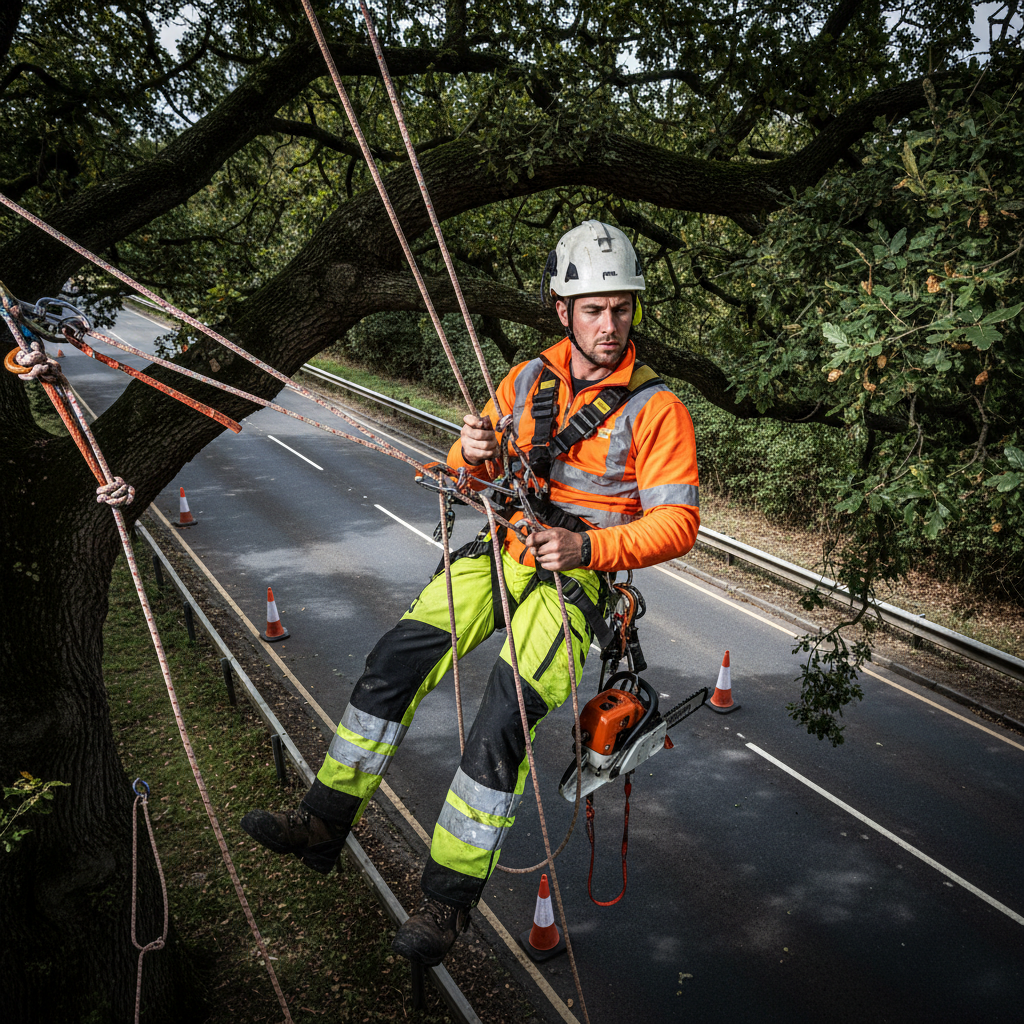
Between June and August, tree management in Ashford shifts toward maintaining high-traffic environments during their peak usage. With golf tournaments in full swing and public parks reaching maximum capacity, the priority is minimizing risk without disrupting operations. A central concern during these warmer months is Summer Branch Drop, a phenomenon where seemingly healthy, mature limbs fail unexpectedly during calm, hot weather. Identifying limbs at high risk, specifically those with excessive end-weight or structural imbalances, is a vital component of the summer seasonal tree pruning checklist.
Strategic intervention is also required where vegetation interacts with critical infrastructure. We focus on maintaining clear zones around telecommunications equipment to prevent signal interference and ensuring highway signage near park entrances remains unobstructed for road safety. Unlike the heavy structural work performed in winter, summer arboriculture follows a "little and often" philosophy. This specialized tree pruning targets specific hazards and keeps fairways clear while avoiding the physiological shock that heavy pruning can cause during heatwaves. Heavy canopy reduction in peak temperatures can lead to sunscald and excessive moisture loss, so precision is paramount.
By focusing on these targeted clearances, managers can fulfill their duty of care without the need for large-scale closures. However, if a tree exhibits signs of severe drought stress or significant limb instability, it may necessitate professional tree felling to ensure the site remains safe for the public. This measured approach preserves the aesthetic value of the landscape while addressing the immediate logistical requirements of a busy commercial site.
Autumn: Preparing for the Storm Season
September and October serve as the tactical bridge between summer maintenance and winter structural work. In Ashford, the primary objective during this window is mitigating the immediate impact of early autumn gales and increased rainfall. Unlike the foundational shaping performed in winter, autumn tasks focus on reducing the mechanical leverage exerted on a tree’s canopy while it is still in full leaf.
An effective seasonal tree pruning checklist for the autumn months must include:
Weight Reduction on Overextended Limbs: Targeting heavy, leafy branches prevents snapping during the first high winds of the season. Reducing the end-weight minimizes the torque on the main trunk and reduces the sail effect before natural leaf drop occurs.
Boundary Line Audits: Inspecting trees adjacent to public highways or neighboring private properties is critical. This ensures that encroaching limbs are managed before they cause damage during a storm, protecting the firm’s liability.
Drainage Clearance: In parklands and across golf fairways, ensuring that overhanging brush and debris are cleared away from culverts and drainage channels is essential to prevent localized flooding during heavy Kentish rains.
Strategic, specialized tree pruning at this stage serves as a preemptive strike against storm damage. If a tree shows signs of severe instability near a boundary, professional tree felling may be required before winter saturated soils increase the risk of uprooting. This phase is about resilience, ensuring the landscape is braced for the harsh conditions ahead.
Professional Arboriculture for Large Scale Landscapes
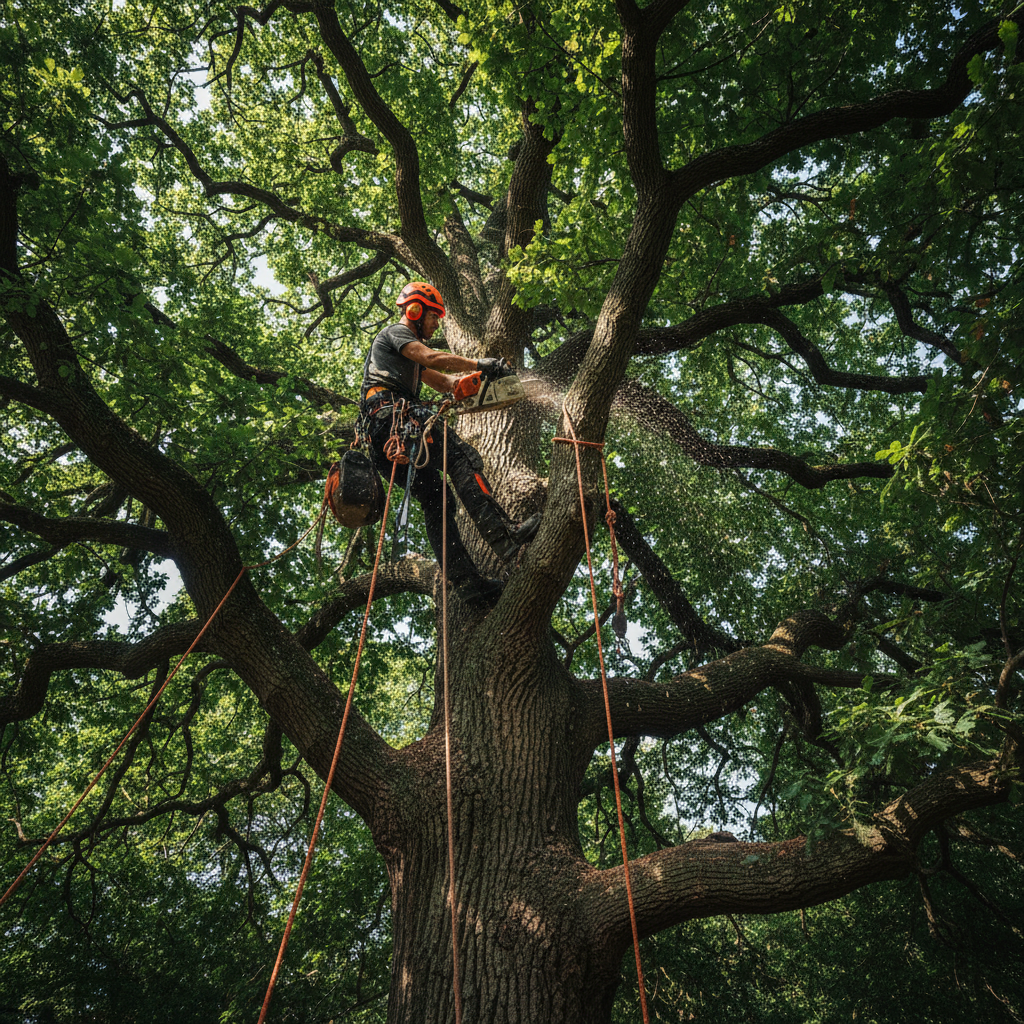
Managing a comprehensive seasonal tree pruning checklist for large-scale landscapes requires a level of technical capability that often exceeds the scope of in-house grounds teams. While internal staff are vital for daily turf maintenance, the high-altitude canopy work required for heritage oaks and large poplars demands specialized aerial equipment and advanced rigging knowledge. The liability associated with commercial sites in Ashford necessitates that every operator holds the correct NPTC qualifications and that all hardware adheres to strict LOLER (Lifting Operations and Lifting Equipment Regulations) standards, ensuring that every rope, harness, and carabiner is certified for load-bearing safety.
Professional intervention utilizes diverse access methods tailored to the specific environment. We deploy Mobile Elevated Work Platforms (MEWPs) for rapid, safe access along park boundaries and highway verges where space allows. Conversely, when working on sensitive golf course greens or within the tight confines of ancient woodland, we employ traditional climbing techniques. This method prevents heavy machinery from causing soil compaction around the root plate, preserving the long term health of the specimen and preventing the disruption of delicate turf ecosystems.
Logistical planning is central to how Purecut Tree Co Ltd operates within active commercial spaces. On golf courses, we coordinate with greenkeepers to align our work with low-traffic periods, ensuring that specialized tree pruning does not interfere with peak play or scheduled tournaments. In public parks, we implement rigid drop-zone management and site cordoning to protect pedestrians. This level of precision ensures that even complex professional tree felling can be executed without compromising site safety or public access. By delegating these high-risk operations to experts, commercial managers ensure that every cut follows BS 3998 standards, transforming the pruning schedule from a simple maintenance task into a robust strategy for long term asset protection.